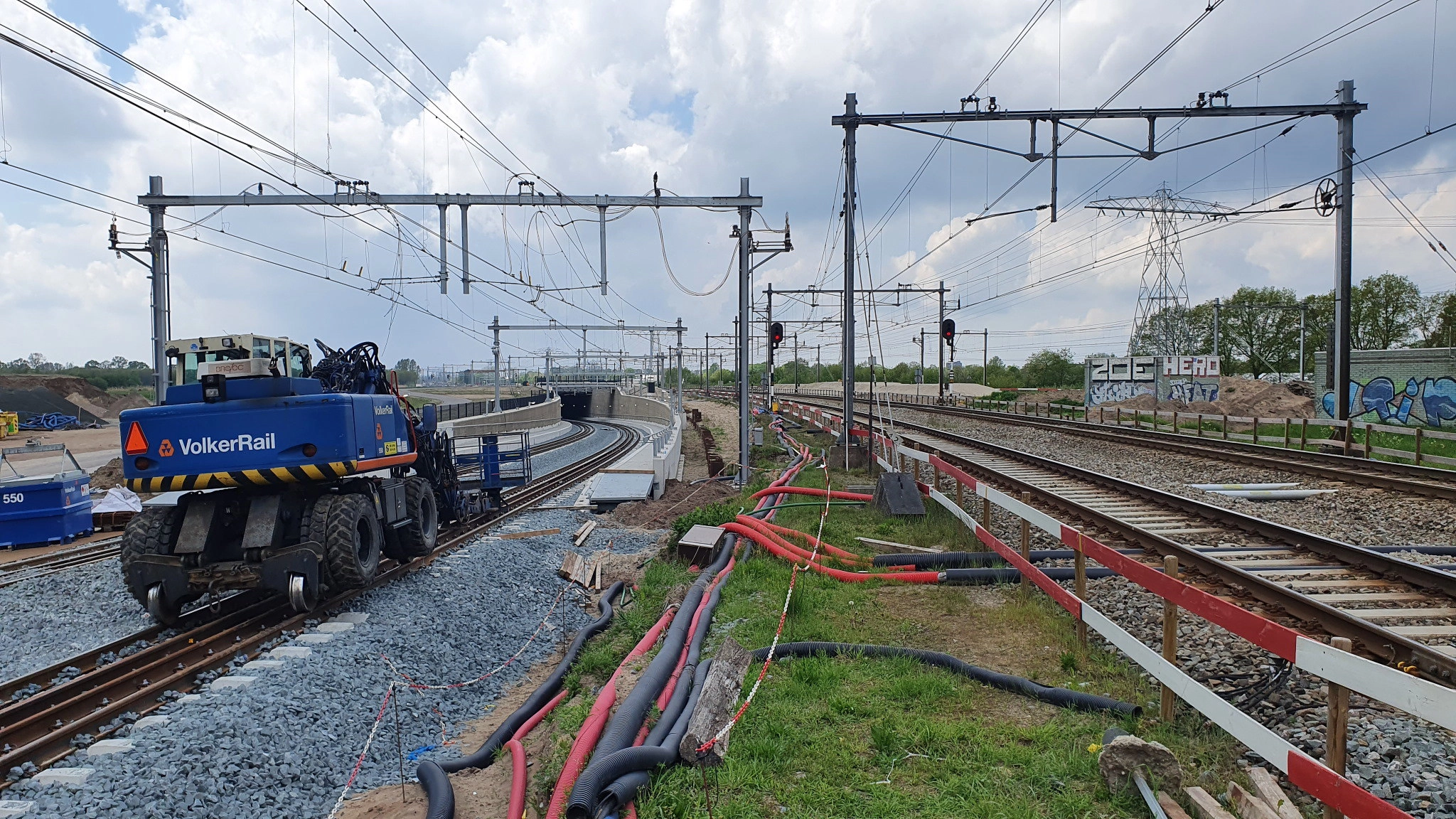
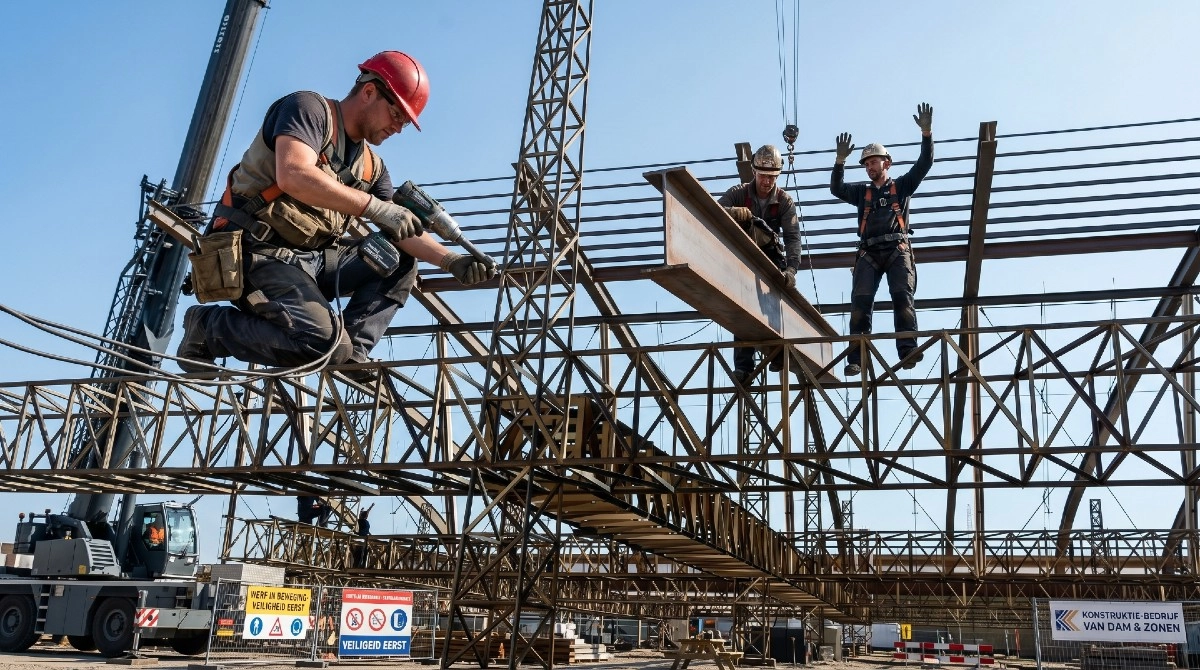
Environmental management standards and carbon-focussed certification schemes are often mentioned in the same breath, and understandably so: ISO 14001 and the CO₂ Performance Ladder both push organisations toward lower environmental impacts. In practice, though, they do differ on some points, from what they measure to how progress…
ProRail, the Dutch rail infrastructure manager, has used the CO₂ Performance Ladder as an award criterion in its tenders for years to drive sustainability performance across the supply chain. With the arrival of Version 4.0, ProRail is now announcing its next move. From 1 January 2027, ProRail will…
1.3°C of warming. 425 ppm CO₂ in the atmosphere. The global carbon budget is shrinking fast, and could run out within the foreseeable future. Climate change is one of the greatest societal challenges of our time. The Earth’s average temperature is rising, with consequences that are becoming ever…
To work effectively with the CO₂ Performance Ladder, it’s important that your organisation has support for sustainability efforts. Sustainability policies and measures can have a direct effect on employees. At the same time, employees play a key role in implementing sustainability measures. In this blog, we share tips on…
The CO₂ Performance Ladder is one of seven global case studies selected to showcase how carbon labelling and carbon reduction can transform supply chain management. Public procurement accounts for an estimated 15% of global emissions. That gives contracting authorities significant power to steer markets towards low-carbon products and…
Arcadis Netherlands is the first engineering and consultancy firm to be certified at Step 3 of CO₂ Performance Ladder 4.0. Below, Sophie Hanekamp and Benjamin van Olffen explain how, at Arcadis, they drew up a Climate Transition Plan (CTP) in eight steps and share some useful tips along…
By getting to grips with other influenceable emissions (OIE), you can impact emission reduction beyond your organisation and even your value chain as well. In this blog we explain why OIE are part of the new version of the CO₂ Performance Ladder, the categories of OIE, when you must…
The CO₂ Performance Ladder gives insight into your organisation’s emissions and offers tools for structural improvement. By working to certify your government organisation on the Ladder, you also set a good example to residents and businesses when it comes to emissions reduction. In this blog we explain which benefits the CO₂ Performance Ladder offers for governments organisations…
By using the CO₂ Performance Ladder as a Best Price-Quality Ratio (BPQR) award criterion in a tender, you encourage CO₂ reduction during the delivery of the project. From January 2027 it will be mandatory to use version 4.0 of the CO₂ Performance Ladder in procurement. In this blog you can read how…
Boletim informativo
Gostaria de receber atualizações, casos de projetos e notícias sobre o CO2 Performance Ladder de dois em dois meses? Subscreva a nossa newsletter!
"*" indica campos obrigatórios
Receber o boletim informativo?
Gostaria de receber atualizações, casos de projetos e notícias sobre a CO₂ Performance Ladder a cada dois meses? Inscreva-se na nossa newsletter!
"*" indica campos obrigatórios
Manage Consent
To provide the best experiences, we use technologies like cookies to store and/or access device information. Consenting to these technologies will allow us to process data such as browsing behavior or unique IDs on this site. Not consenting or withdrawing consent, may adversely affect certain features and functions.
Functional
Always active
The technical storage or access is strictly necessary for the legitimate purpose of enabling the use of a specific service explicitly requested by the subscriber or user, or for the sole purpose of carrying out the transmission of a communication over an electronic communications network.
Preferences
The technical storage or access is necessary for the legitimate purpose of storing preferences that are not requested by the subscriber or user.
Statistics
The technical storage or access that is used exclusively for statistical purposes.The technical storage or access that is used exclusively for anonymous statistical purposes. Without a subpoena, voluntary compliance on the part of your Internet Service Provider, or additional records from a third party, information stored or retrieved for this purpose alone cannot usually be used to identify you.
Marketing
The technical storage or access is required to create user profiles to send advertising, or to track the user on a website or across several websites for similar marketing purposes.