- News
Portugal launches the CO₂ Performance Ladder, with LIPOR set to apply it in a tender
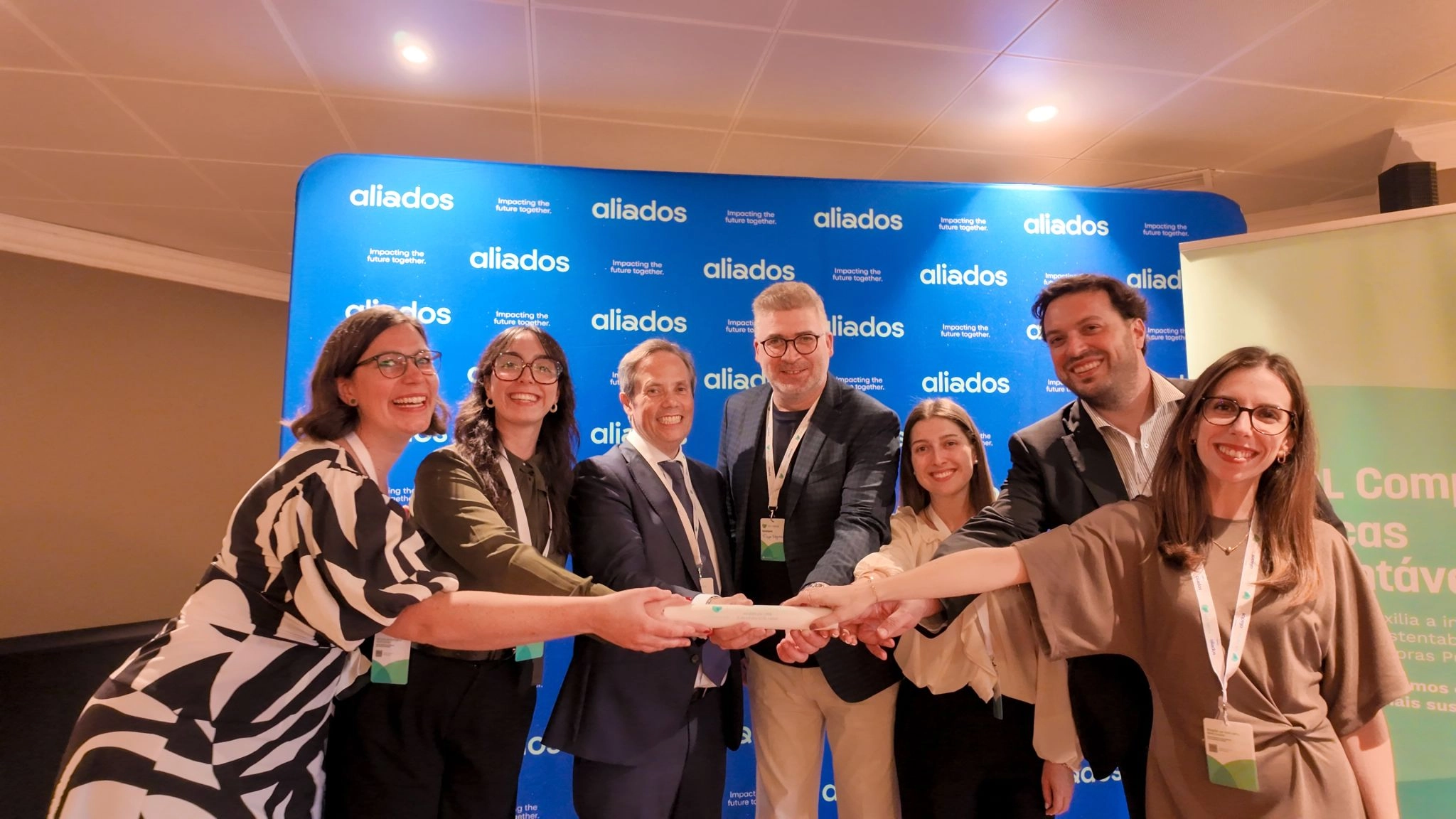
The CO₂ Performance Ladder was officially launched in Portugal, closing a two-year national pilot. LIPOR will apply the Ladder in an upcoming public tender.

With growing sustainability targets and stricter regulations from the European Union, more and more companies are claiming to be working towards Net Zero emissions. In other words: the amount of greenhouse gases they emit is equal to the amount removed from the atmosphere, resulting in net zero emissions. But how can these claims be verified?
To prevent greenwashing and ensure transparency, the sector needs clear, verifiable frameworks and broad agreement. That’s why the Dutch Green Building Council (DGBC), together with Stichting Climate Cleanup and SKAO, is developing a Net Zero standard for the Dutch construction and real estate sector – both at the building and portfolio level. The goal is to accelerate the sustainable transition of the built environment.
To ensure that the Net Zero standard is widely accepted, several working groups are being formed. These groups include practitioners, research institutions, banks, and investors. Their collaboration highlights the importance of aligning closely with definitions from the revised EU Energy Performance of Buildings Directive (EPBD IV) and other relevant EU regulations. These laws are crucial for companies operating in Europe. That’s also why the term “Net Zero” is not being translated, to remain in line with international guidelines.
Besides collaboration, the sector also needs clear agreements. Specific frameworks must be established for the following key topics:
In developing the standard, DGBC is taking existing Dutch and EU legislation and frameworks into account. These include the Corporate Sustainability Reporting Directive (CSRD), the Science Based Targets initiative (SBTi), the United Kingdom Net Zero Carbon Buildings Standard (UK NZCBS), Open Natural Carbon Removal Accounting (ONCRA), and the EU Green Claims Directive, among others.
“DGBC has previously provided clear guidance for the Dutch construction and real estate sector on how to align with international regulations. For example, our guidance on Scope 3 emissions for the construction sector and our EU Taxonomy guide. For a broadly supported Net Zero standard, we aim for as much international alignment as possible, along with practical feasibility that fits the real-world situation. As always, our ultimate goal is to make a real impact for a sustainable built environment.”
– Brigit Gerritse, Managing Director, DGBC
DGBC, Climate Cleanup and SKAO are working towards publishing a pilot version of the standard by the end of 2025. This initiative is supported by the TBI Klimaattrein, a network and organisation that helps bring forward pioneering climate initiatives in the construction sector, funded by TBI. It is also supported by the long-term programme #BuildingLife, funded by the Laudes Foundation and IKEA Foundation, and DGBC’s Paris Proof programme.
Source: Dutch Green Building Council
The CO₂ Performance Ladder was officially launched in Portugal, closing a two-year national pilot. LIPOR will apply the Ladder in an upcoming public tender.

The CO₂ Performance Ladder is one of seven global case studies selected to showcase how carbon labelling and carbon reduction can transform supply chain management. Public procurement accounts for an estimated 15% of global emissions. That gives contracting authorities significant power to steer markets towards low-carbon products and…
Receive newsletter?
Would you like to receive updates, project cases and news about the CO2 Performance Ladder every other month? Subscribe to our newsletter!
"*" indicates required fields