Blog, news and projects
( Blog )

( Blog )

CO2 Performance Ladder 4.0 aims to align as closely as possible with international standards and legislation, such as the Corporate Sustainability Reporting Directive (CSRD) and the Science Based Targets initiative (SBTi). But what exactly is their relationship between them? Where do they differ or converge? In this blog, we…

To halt climate change, the EU has set ambitious targets for the reduction of CO2 emissions. Through various directives, these targets are translated into concrete rules and requirements for countries, sectors and industries. Many of these directives are closely linked to the CO2 Performance Ladder. In this blog, we…

The Sustainable Development Goals aim to combat poverty, climate change and inequality worldwide, among other things. Reducing CO2 emissions plays an important role in this. By working with the CO2 Performance Ladder, your organisation can contribute to achieving various SDGs. In this blog, we explain what the SDGs are…
Transport for London (TfL), the integrated transport authority responsible for the operation and improvement of London’s transport network, is currently testing the use of the CO2 Performance Ladder in the UK. In a podcast hosted by UK partner Action Sustainability, Anna Fish and Henry Yeomans of TfL…

As the urgency to address climate change grows, organisations face a growing number of tools designed to help them reduce their carbon footprint. Two such tools, the Science-Based Targets initiative (SBTi) and the CO2 Performance Ladder, are well-regarded for their ability to guide organisations toward meaningful emissions reductions. While…
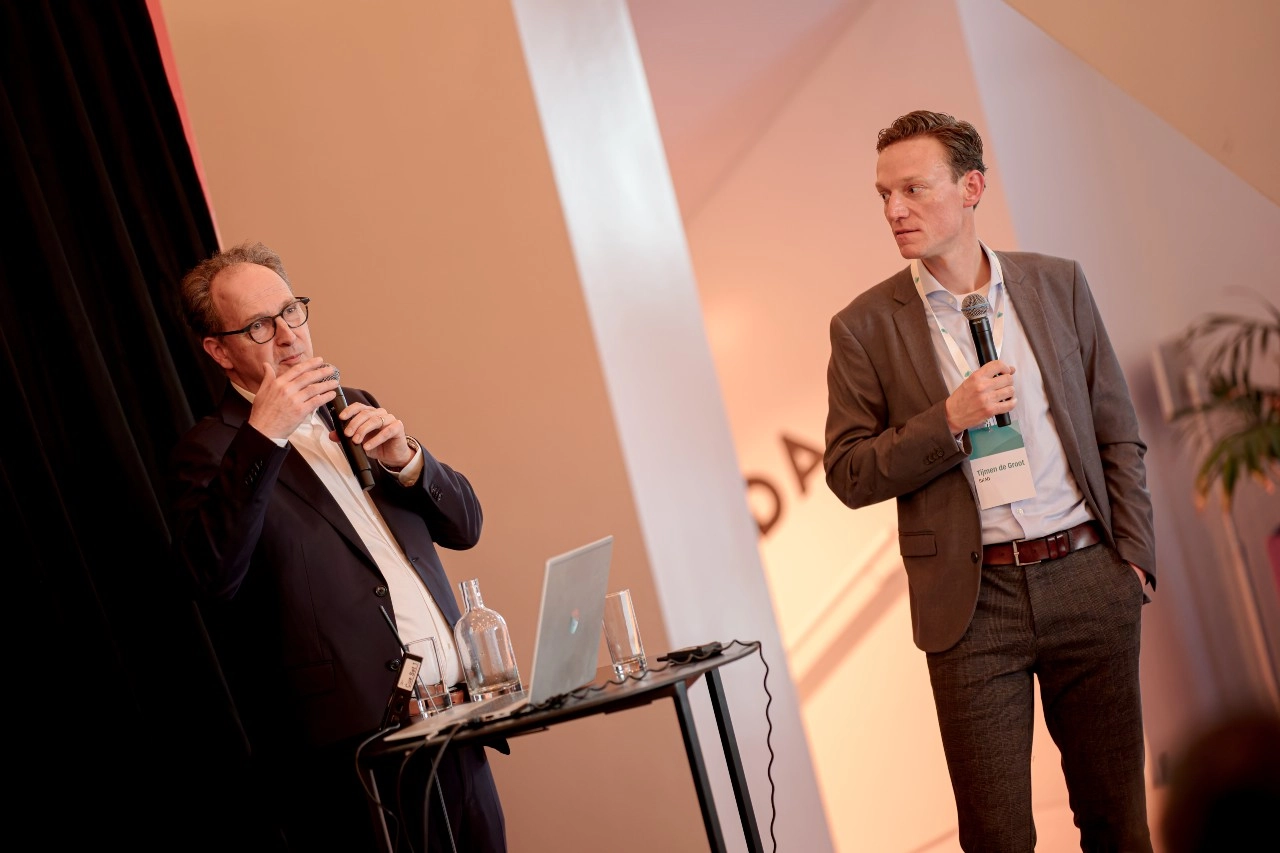
Step 2 and 3 are the highest steps of the CO2 Performance Ladder version 4.0. Both focus on CO2 reduction with the supply chain and even beyond. Step 3 requires the most ambitious targets and plans. In this blog, we explain which requirements apply to Step 2 and 3…
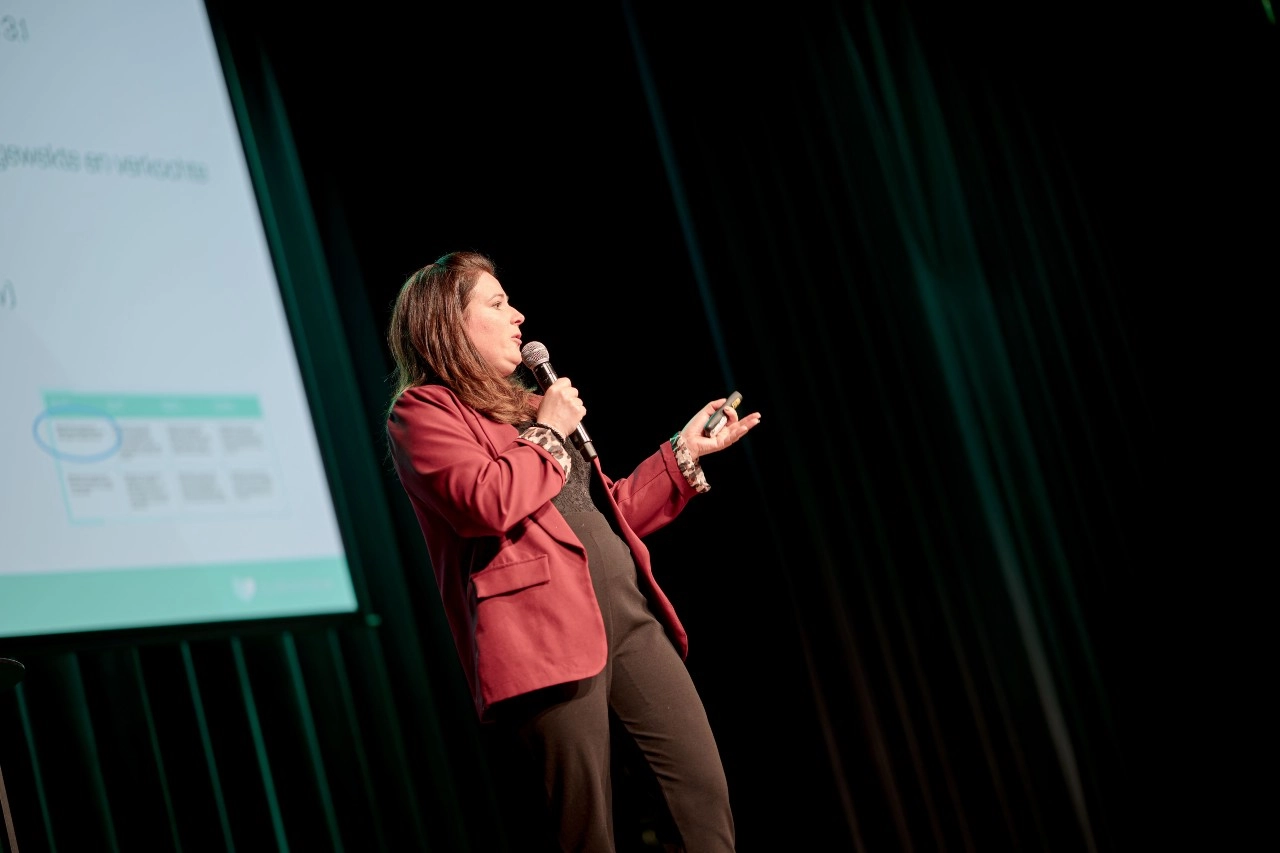
The five levels of the CO2 Performance Ladder are giving way to three steps in version 4.0. The first step – Step 1 – focuses on CO2 reduction within your own organisation. In this blog, we explain what Step 1 means, how the requirements of version 4.0 have changed…

The CO₂ Performance Ladder helps organisations map their CO2 emissions and then reduce C02 emissions. Or wait, was it CO2 after all? ‘Surely they should just know that over there at SKAO!’ we hear you think! ‘Or can’t they see the wood for the CO(222?) absorbing trees?’ April…

When issuing a public tender in the EU, you must comply with the requirements of European procurement law. Using the CO2 Performance Ladder as an award criterion to determine the most economically advantageous tender (MEAT) on the basis of the best price-quality is in line with this legislation, provided…
Receive newsletter?
Would you like to receive updates, project cases and news about the CO2 Performance Ladder every other month? Subscribe to our newsletter!
"*" indicates required fields