Blog, news and projects
( News )

( News )
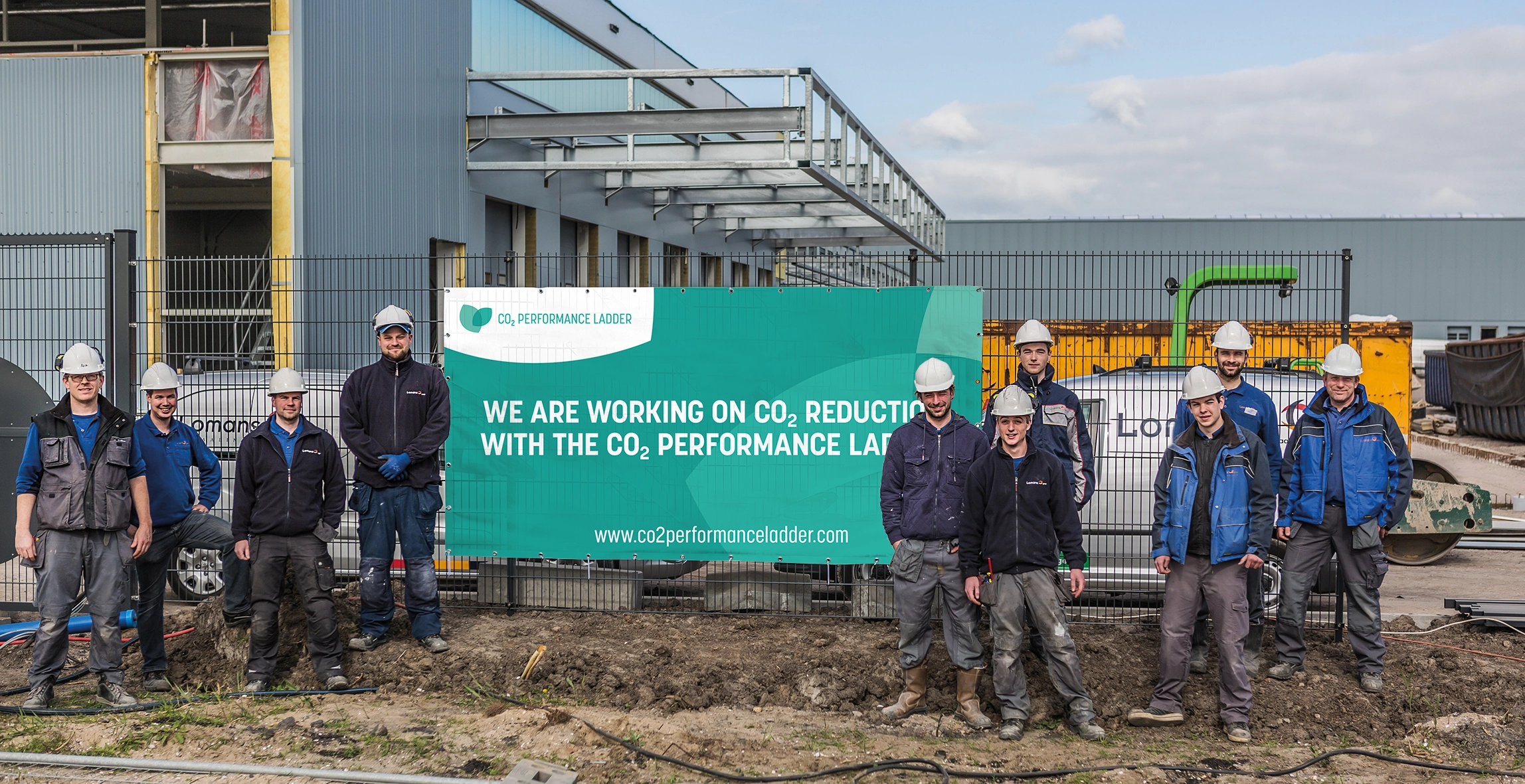
The Government of Ireland’s annual public sector purchasing accounts for 10% to 12% of the country’s GDP – and thus has the potential to stimulate the provision of more resource-efficient, less polluting goods, services and works within the marketplace. The CO2 Performance Ladder is a practical instrument that can be…
Our partner, the International Institute for Sustainable Development, has released a new insightful report: ‘Monitoring Progress in Green Public Procurement’. The report is developed as part of SKAO’s ongoing collaboration with IISD in the project ‘Accelerating decarbonisation through the power of procurement by disseminating the CO₂ Performance Ladder: implementation…
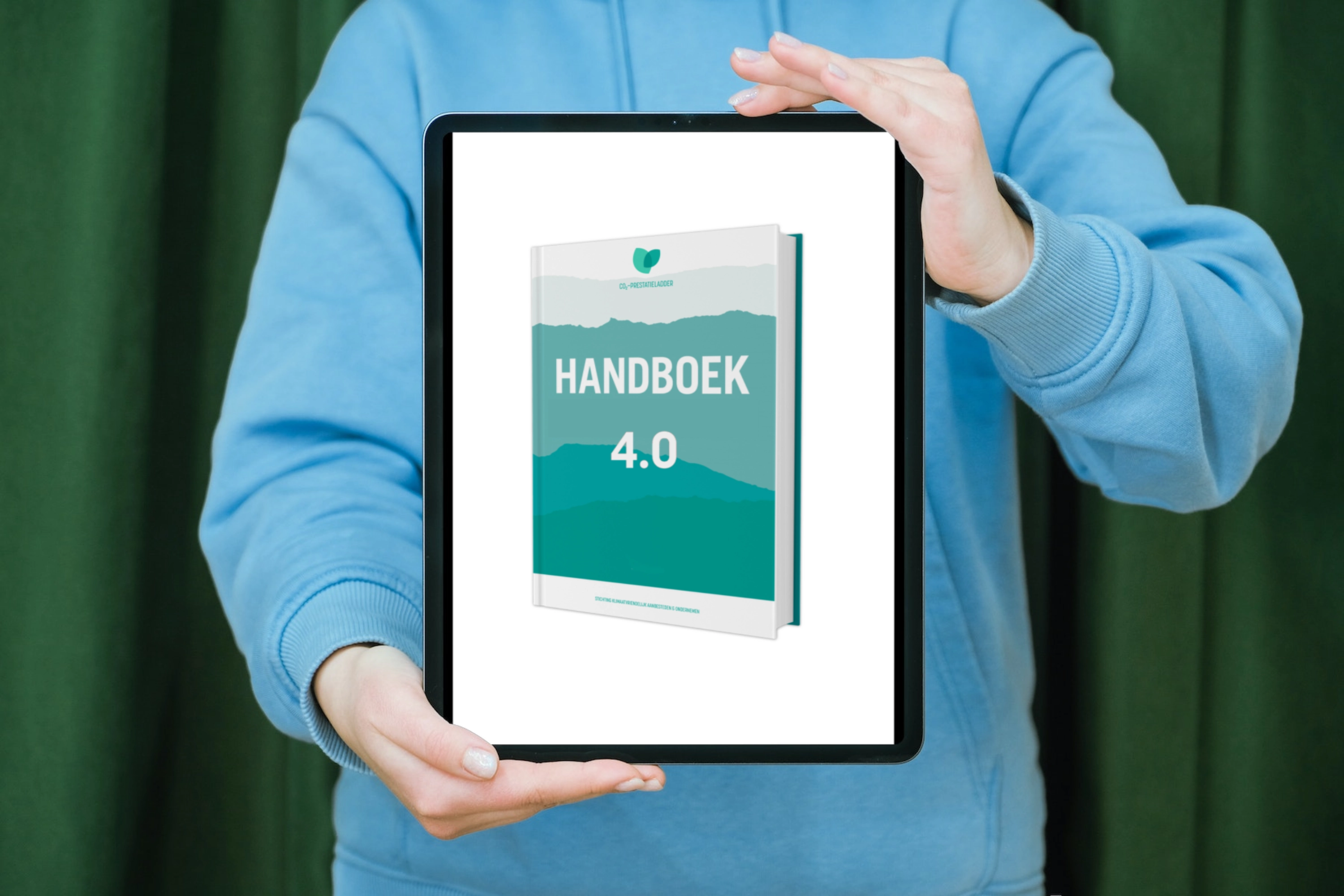
When was it decided that there should be a new handbook? Tijmen kicks off: ‘At the end of 2021, we decided to work concretely towards Handbook 4.0. And even before that, during the development of Handbook 3.1, there were topics we knew we wanted to incorporate into handbook 4.0, such…
Accelerating CO2 reduction through sustainable procurement The project ‘Accelerating decarbonisation through the power of procurement by disseminating the CO2 Performance Ladder: implementation and expansion’ aims to accelerate CO2 reduction in Europe by promoting sustainable procurement through the CO2 Performance Ladder. Research by think tank IISD shows that compared to other…
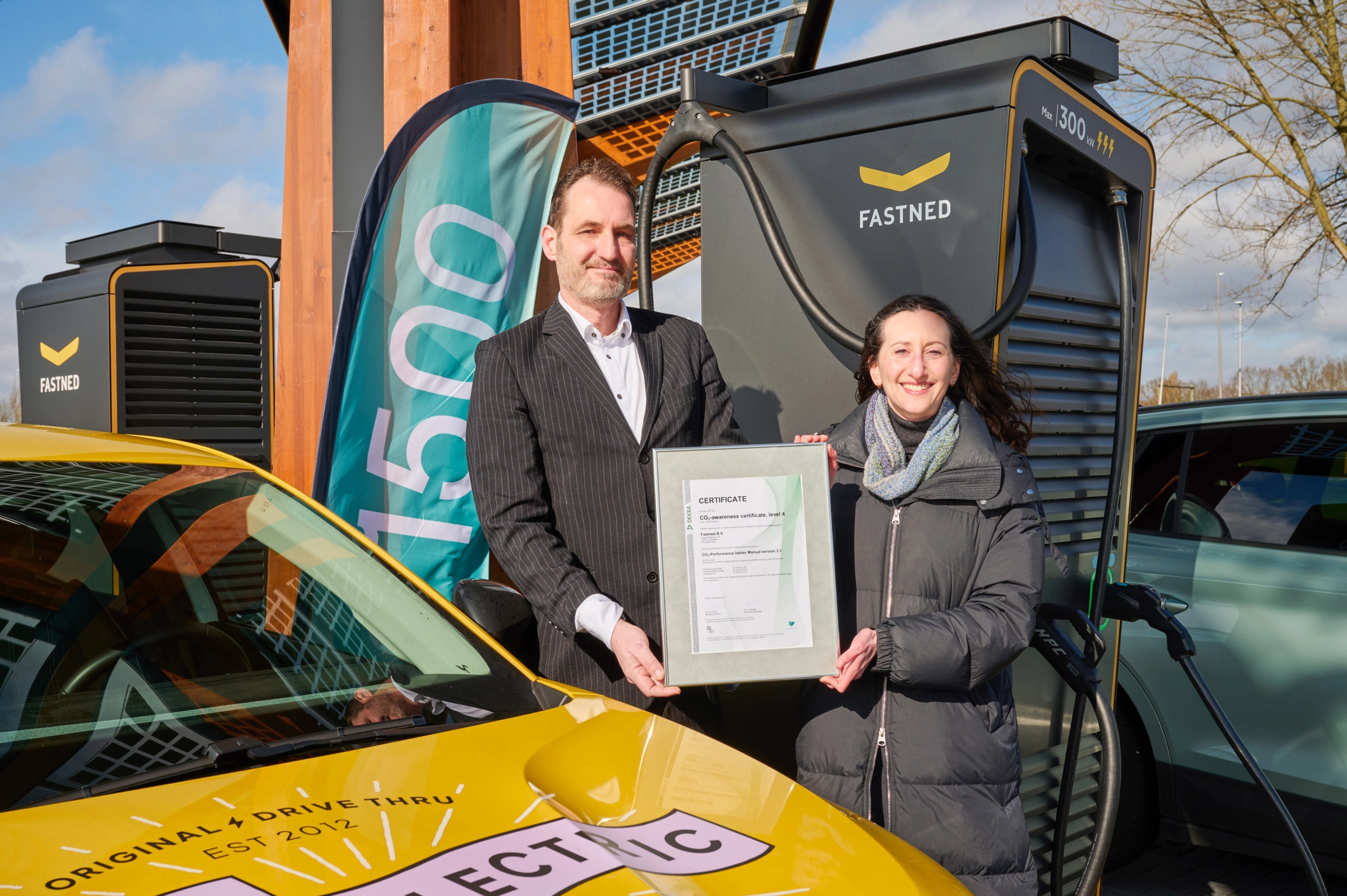
Today, the 1500th certificate for the CO2 Performance Ladder was awarded to European fast-charging company Fastned. With the CO2 Performance Ladder, organisations reduce their CO2 emissions throughout their operations, projects and in their supply chain. The award of the 1500th certificate underlines the growing number of organisations committed to…

The Foundation for Climate Friendly Procurement & Business (SKAO) is looking for a Communication Manager Europe. The CO2 Performance Ladder is always evolving and SKAO is the heart of a large network of organizations that are actively and ambitiously working on CO2 reduction. As Communication Manager for the CO2 Performance Ladder…
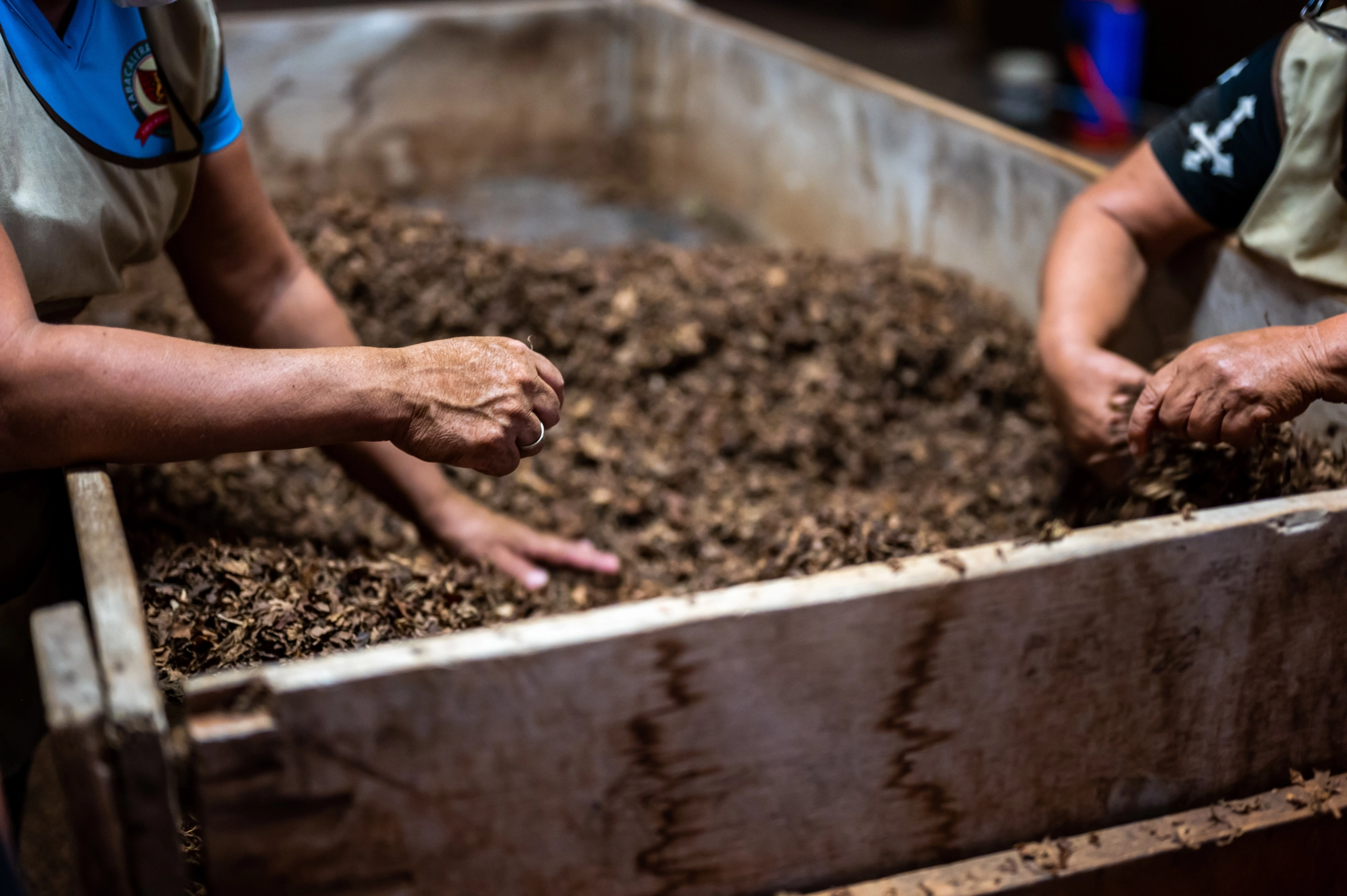
When preparing the CO₂ footprint, you must choose an emission factor for each emission source. So too for green electricity from biomass. In order to use a lower emission factor than that of grey power, Handbook 3.1 requires buyers of this form of green power to show what their supplier’s…

CO2 emissions in the organisation and in the value chain Organisations that are certified on the CO2 Performance Ladder take more CO2 reduction measures than non-certified organisations. Using the CO2 Performance Ladder leads to extra CO2 reduction annually for Scope 1 (CO2 emissions caused by their own organisations) and Scope…

The feasibility study provides insights about the procurement context in 10 European countries: Austria, Denmark, Germany, Ireland, Italy, Poland, Slovenia, Spain, Sweden, and the United Kingdom. For each of the countries, the study provides information about: Sustainable Public Procurement: What are key priorities and activities in the country? Which…
Receive newsletter?
Would you like to receive updates, project cases and news about the CO2 Performance Ladder every other month? Subscribe to our newsletter!
"*" indicates required fields